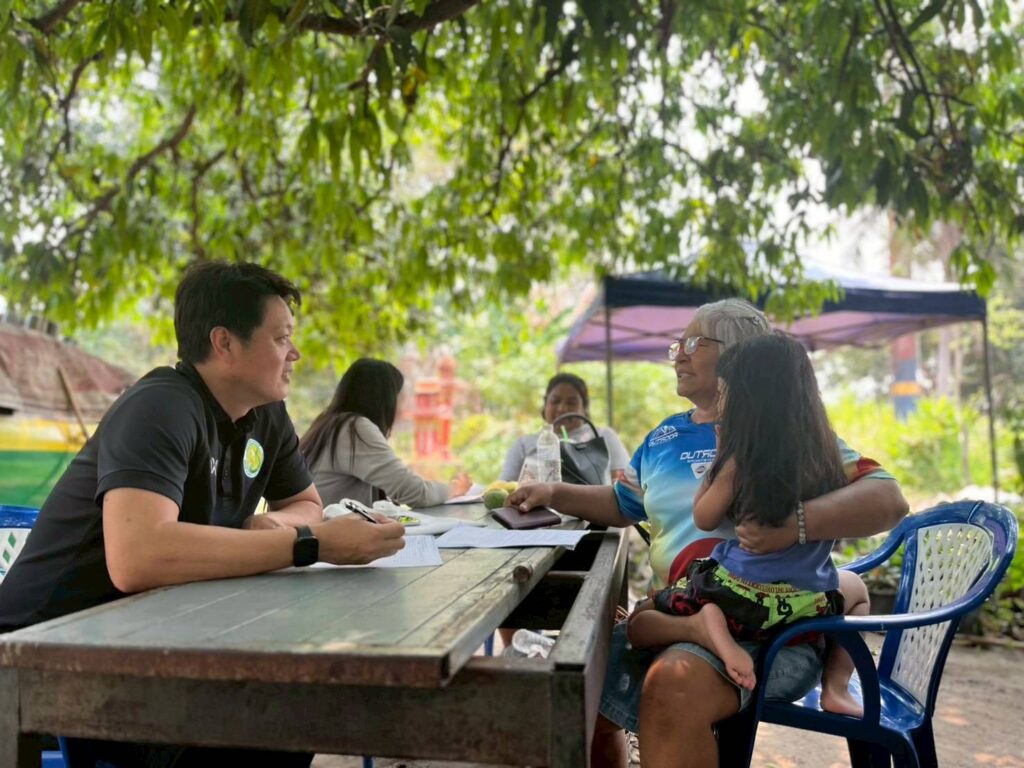
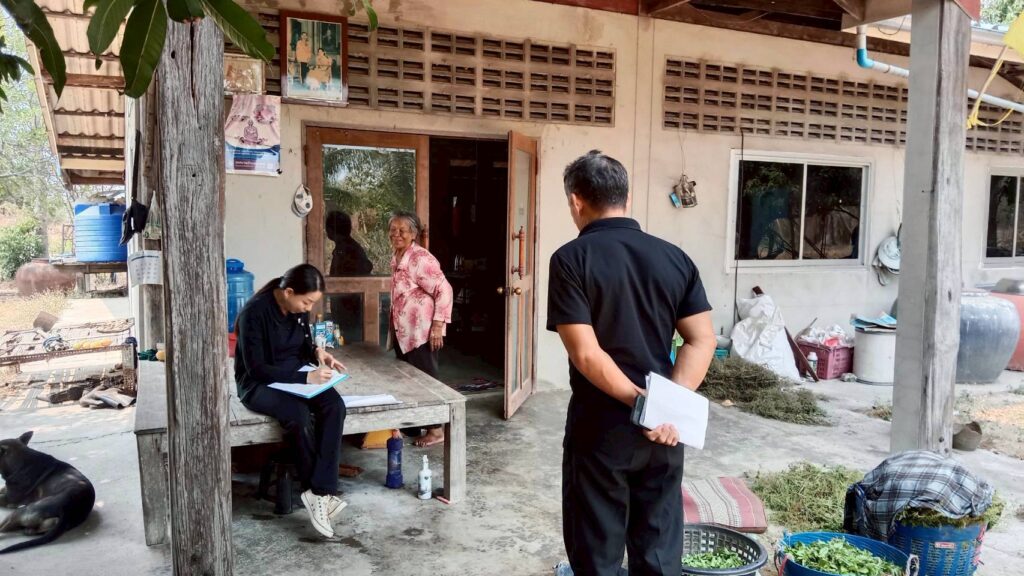
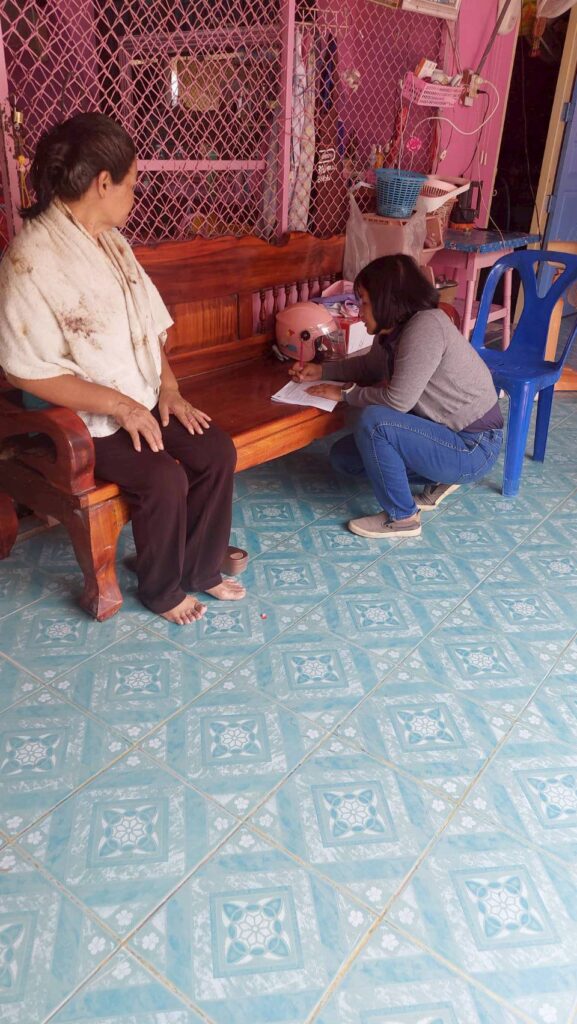
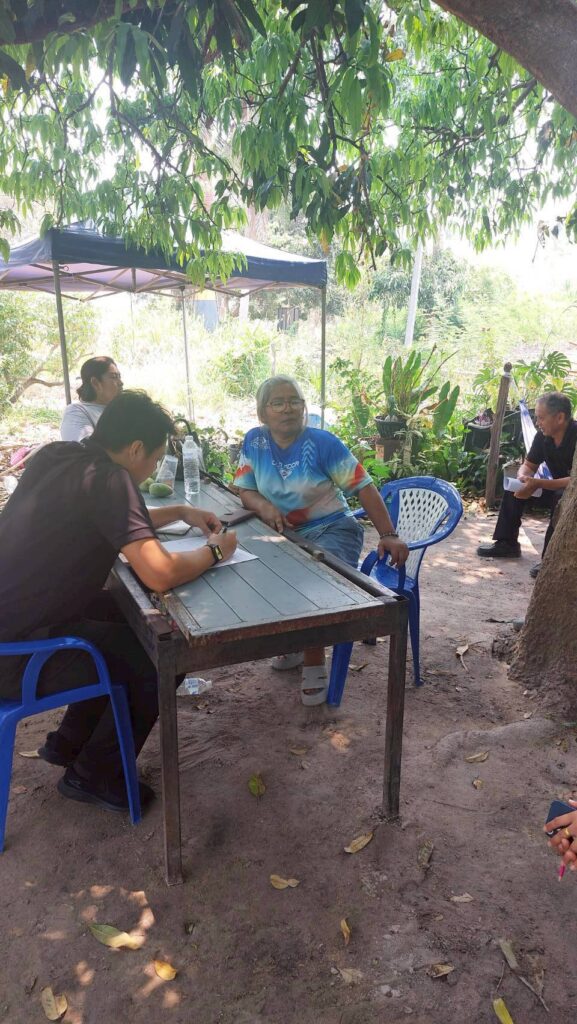
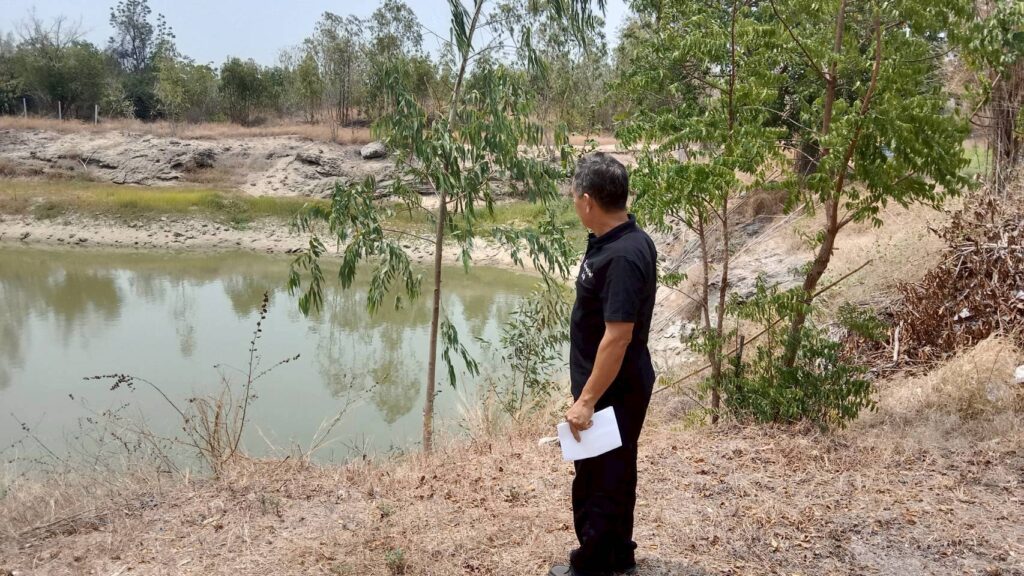
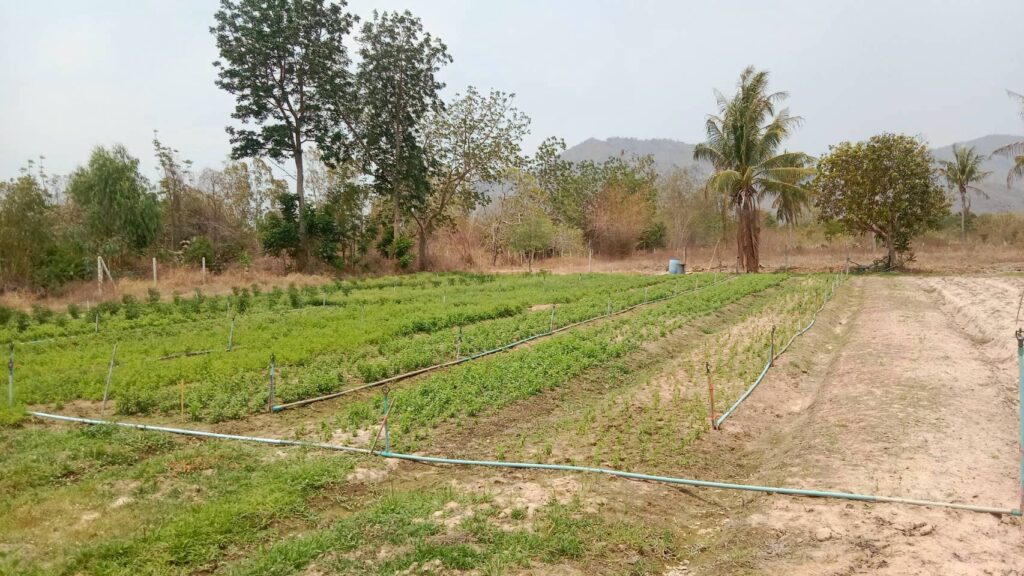
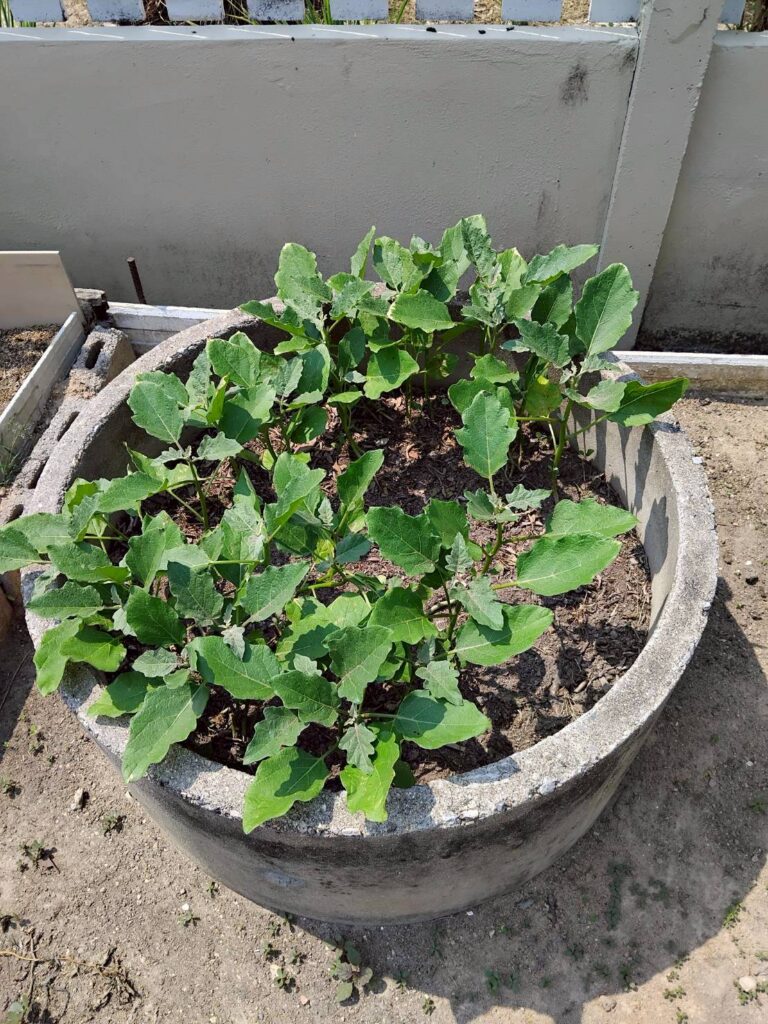
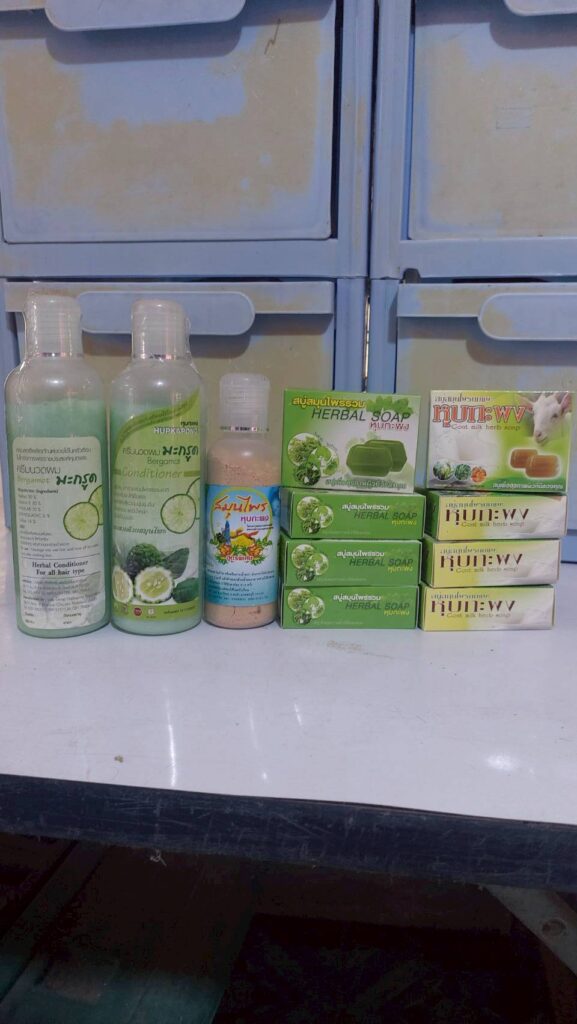
วันที่ 20 – 24 เมษายน 2569 นายกิจษารธ อ้นเงินทยากร ผู้อำนวยการสำนักงานเศรษฐกิจการเกษตรที่ 10 จังหวัดราชบุรี มอบหมายให้#ส่วนวิจัยและประเมินผล ลงพื้นติดตามผลการดำเนินงานโครงการตามพระราชประสงค์หุบกะพง ตำบลเขาใหญ่ อำเภอชะอำ จังหวัดเพชรบุรี โดยมีวัตถุประสงค์ของโครงการ ดังนี้ 1) จัดตั้งศูนย์สาธิตและทดลองการเกษตร เพื่อศึกษา หาข้อมูลในด้านการปลูกพืช และการเลี้ยงสัตว์ที่เป็นประโยชน์ต่อการพัฒนาการเกษตร ในพื้นที่ที่แห้งแล้ง ตลอดจนสาธิตการใช้เทคโนโลยีการเกษตร 2) ทำการปฏิรูปที่ดินโดยการจัดพัฒนาที่ดินที่ว่างเปล่าแล้ว จัดสรรให้เกษตรกรที่ไม่มีที่ดินทำกินในการเพาะปลูกเป็นของตนเอง เข้าทำการเกษตรประกอบอาชีพตามวิธีการเกษตรแผนใหม่แต่ไม่ให้กรรมสิทธิ์ในการถือครองที่ดิน 3) รวมกลุ่มเกษตรกรที่ได้รับการจัดสรรที่ดินเหล่านี้ จัดตั้งเป็นสหกรณ์การเกษตร โดยใช้หลักและวิธีการสหกรณ์แก้ไขปัญหาต่างๆ ของสมาชิก ตั้งแต่เริ่มการผลิตจนถึงการจำหน่ายสู่ตลาด 4) เป็นแหล่งให้การศึกษา การส่งเสริมและเผยแพร่ความรู้ต่าง ๆ แก่เกษตรกร นักเรียน นักศึกษา และประชาชนทั่วไป สำหรับการลงพื้นที่ครั้งนี้มีเจ้าหน้าที่จาก#ศูนย์สาธิตสหกรณ์โครงการหุบกะพง ร่วมลงพื้นที่จัดเก็บข้อมูล กิจกรรมการส่งเสริมอาชีพให้กับเกษตรกรที่เป็นสมาชิก พร้อมทั้งรับฟังปัญหาและอุปสรรคเพื่อเป็นแนวทางในการดำเนินงานครั้งต่อไป
Office of Agricultural Economics Region 10 (OAE 10) conducts field visit to monitor the progress of the Huai Kapong Royal Project, Fiscal Year 2026.
From April 20-24, 2026, Mr. Kitsarath Onngentayakon, Director of the Office of Agricultural Economics Region 10, Ratchaburi Province, assigned the Research and Evaluation Division to conduct a field visit to monitor the progress of the Huai Kapong Royal Project in Khao Yai Subdistrict, Cha-am District, Phetchaburi Province. The project’s objectives are as follows: 1) To establish an agricultural demonstration and experimental center to study and gather information on crop cultivation and animal husbandry that are beneficial to agricultural development in arid areas, as well as to demonstrate the use of agricultural technology; 2) To reform land by developing vacant land and allocating it to landless farmers to engage in modern agricultural practices, but without granting land ownership; 3) To form groups of farmers who have been allocated land into agricultural cooperatives, using cooperative principles and methods to solve various problems of members, from production to market; 4) To serve as a source of education, promotion, and dissemination of knowledge to farmers, students, and the general public. For this field visit, officials from the #Huap Kapong Cooperative Demonstration Center joined in collecting data on vocational training activities for farmer members, as well as listening to problems and obstacles to guide future operations.